
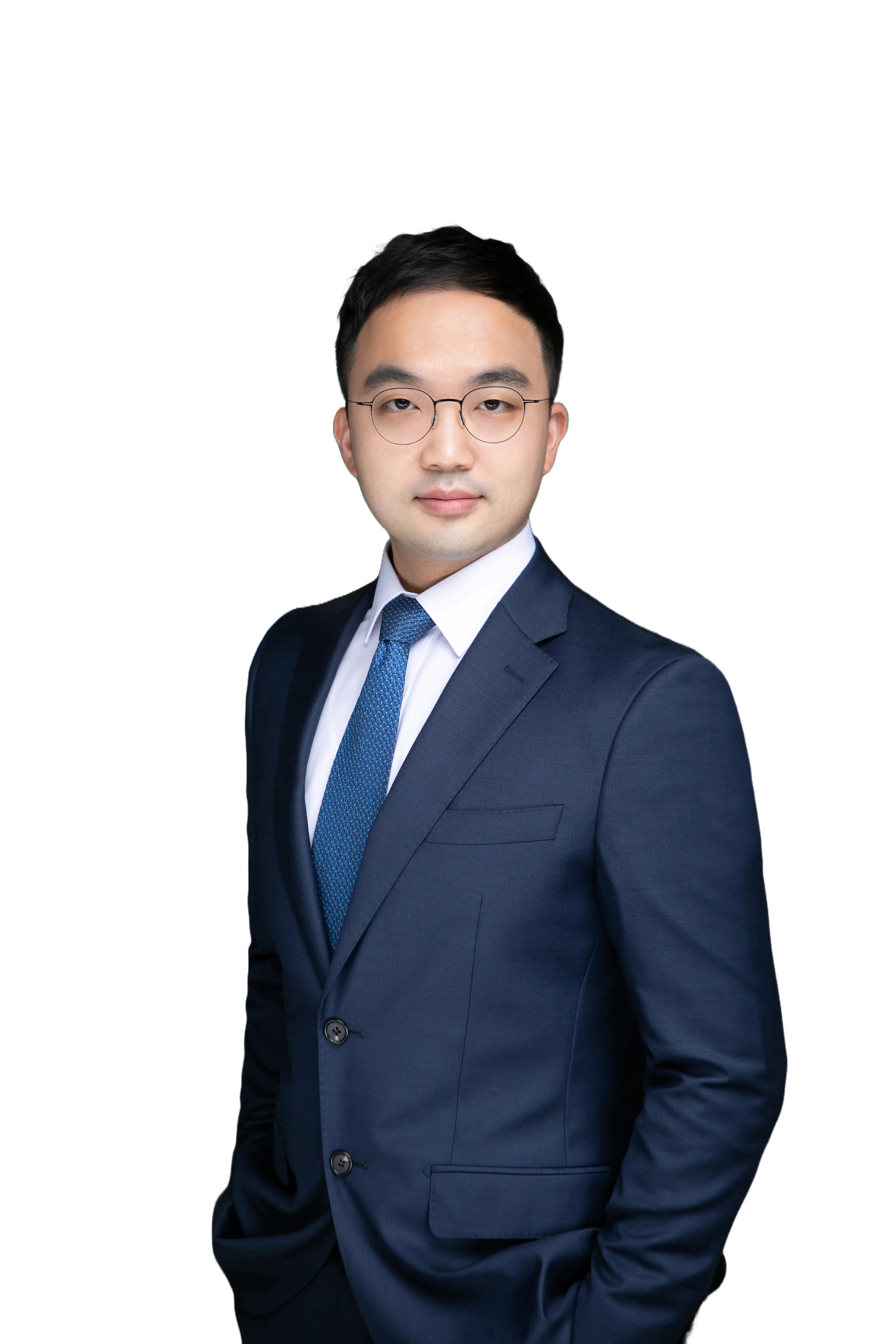
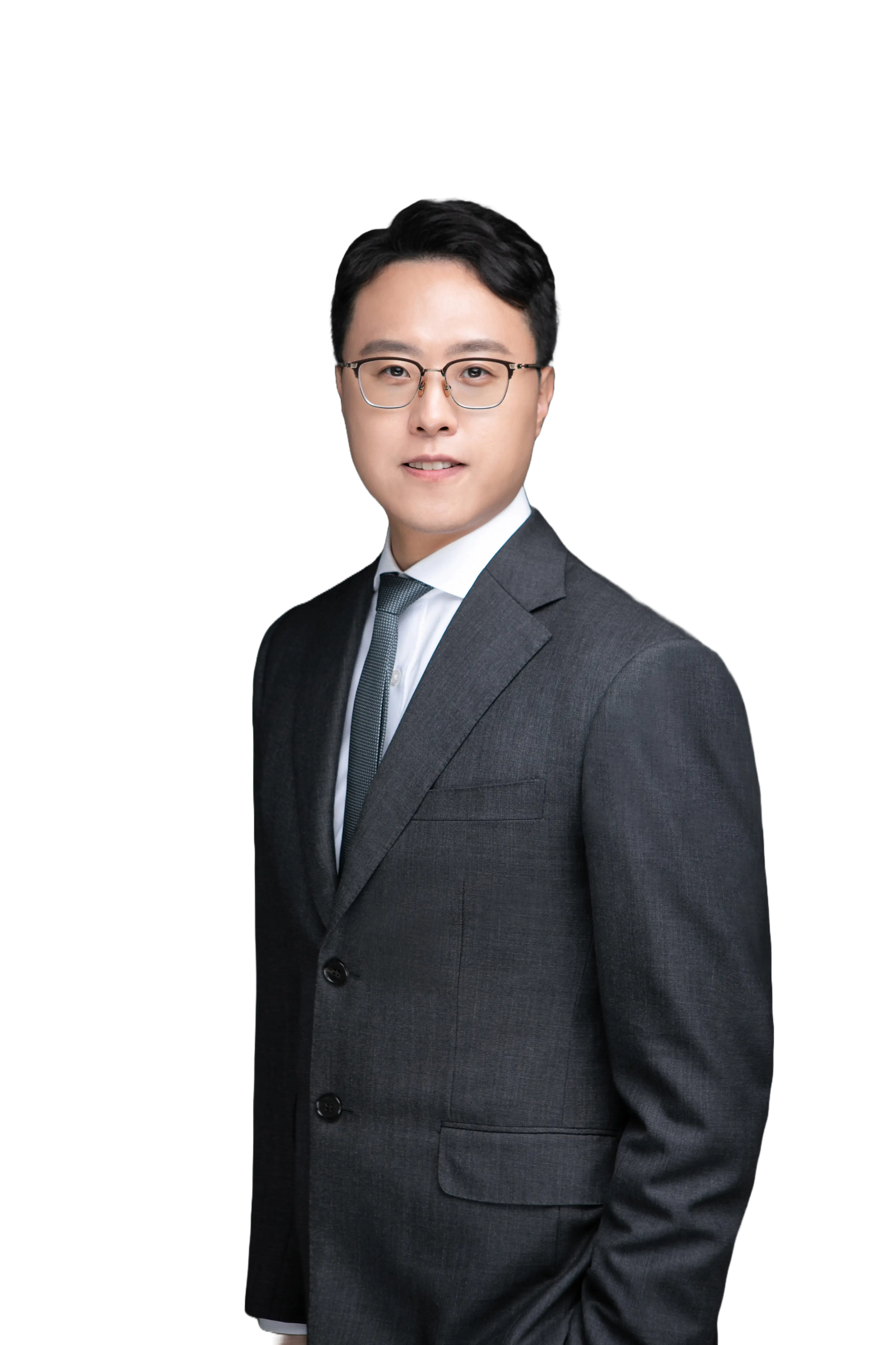
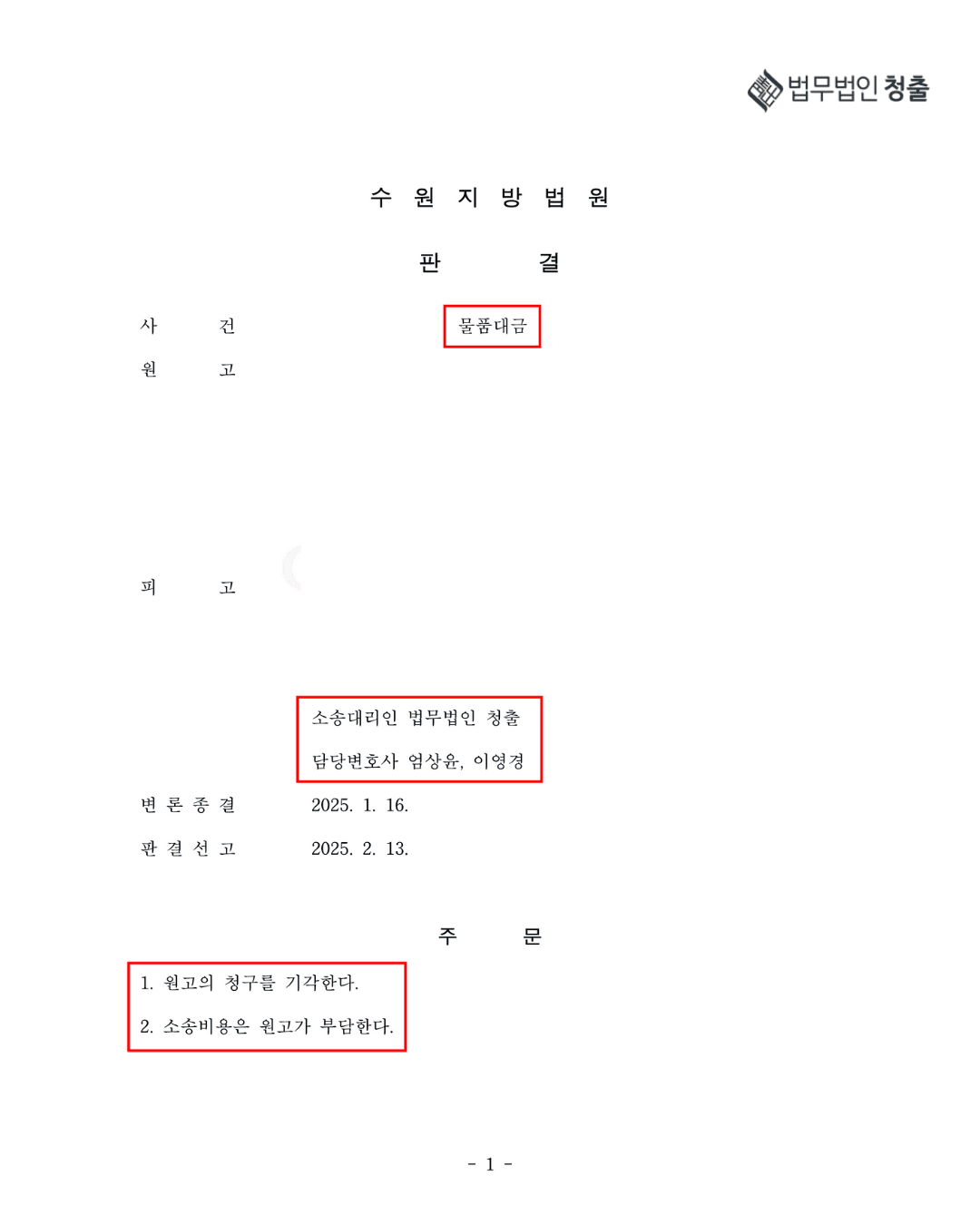
Law Firm Cheongchul (Attorney in Charge: Lee Young-kyung, Eom Sang-yoon) represented a listed automotive parts manufacturing company and successfully defended the client against a lawsuit filed by the opposing company for the claim of payment for goods, leading to the dismissal of the plaintiff's claim of several hundred million won.
1. Background of the Case
The plaintiff, the opposing company, engages in the wholesale and retail of electronic components, while the defendant client operates in the manufacturing and sales of automotive products. The defendant purchased semiconductor parts for automobiles from the plaintiff and has been supplying products to automobile companies.
In June 2022, the plaintiff and the defendant entered into an oral contract whereby the plaintiff was to supply part A by a specified date and the defendant was to make payment. The goods in question were components necessary for automobile manufacturing, and at that time, there were significant price fluctuations and unstable supply conditions. However, the plaintiff demanded that the goods be supplied together with another component supplied to the defendant and did not deliver the goods by the agreed deadline.
2. Legal Issues (Main Grounds and Issues of Cheongchul)
The defendant established a defense strategy on behalf of the client. Analyzing the facts, the timing for receiving the disputed parts was very critical, and failure to receive them on time could result in production stoppages not only for the client (the defendant) but also for the automobile manufacturing company that is the client's customer.
Thus, Cheongchul argued that the contract regarding these parts constituted a confirmed sales contract and that the opposing party (the plaintiff) had not complied with the deadline, thereby terminating the contract. In this process, Cheongchul developed its arguments by analyzing the implications of Supreme Court rulings, such as the decision on July 9, 2009, 2009Da15565, and judgments from August 9, 1948, 4281MinSang60, and September 25, 2008, 2006Da62492, 62508.
The court, after careful deliberation and examination of witnesses, concluded that the plaintiff rejected the supply of the parts before providing lawful performance at the agreed time, and thus dismissed all claims from the plaintiff.
3. Significance (Meaning of this Case)
In this case, the court determined that the contract in question constituted a confirmed sales contract and ruled that the plaintiff had clearly indicated an intention not to fulfill the obligation to supply goods before the performance date.
This ruling reaffirms the importance of delivery deadlines in supply contracts between merchants and clarifies that presenting unrelated conditions to refuse performance constitutes a clear reason for refusal. It also establishes criteria for determining confirmed sales contracts, which is of significant importance.
Law Firm Cheongchul meticulously analyzed the complex contractual relationships and the legal principles of refusal to perform, leading to a complete victory for the client. If you have any questions regarding cases related to payment for goods, please do not hesitate to contact Cheongchul.
Related work cases that are good to see together
Fair Trade
[Consultation] Legal advice on whether there are any violations of the Fair Trade Act related to transactions with large corporate affiliates.
Construction & Real Estate
[Civil Lawsuit] Defending against the contractor's direct payment claim on behalf of the client.
Corporate advisory · Dispute
[Lawsuit] Successfully defended a listed company in a lawsuit for unfair competition.
Corporate advisory · Dispute
[Lawsuit] Defending against the opposing party's claims of defects and winning the lawsuit for the remaining payment on behalf of a global laser cutting company.


서울 강남구 테헤란로 403 리치타워 7층
Tel. 02-6959-9936
Fax. 02-6959-9967
cheongchul@cheongchul.com
개인정보처리방침
면책공고
© 2025. Cheongchul. All rights reserved