
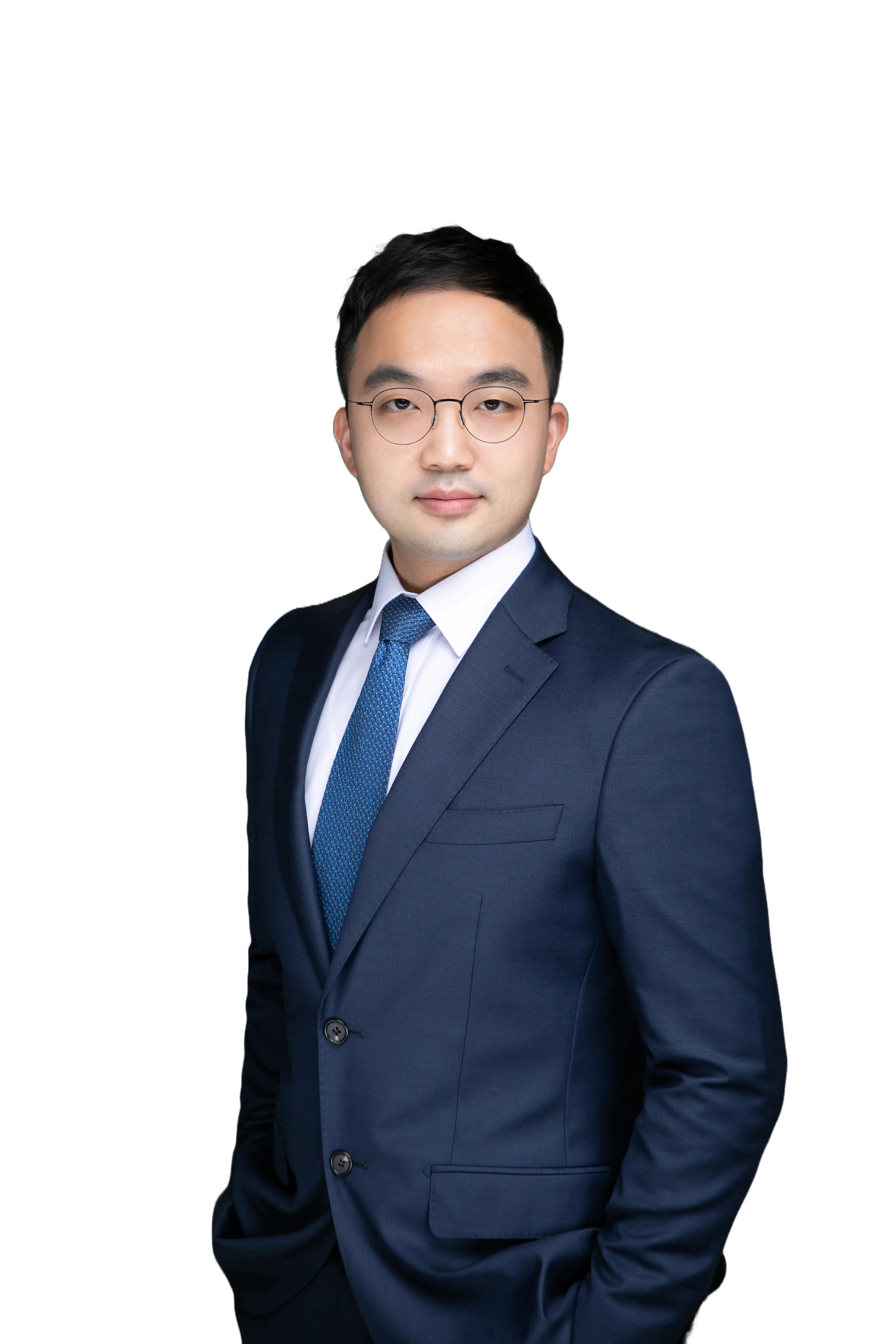
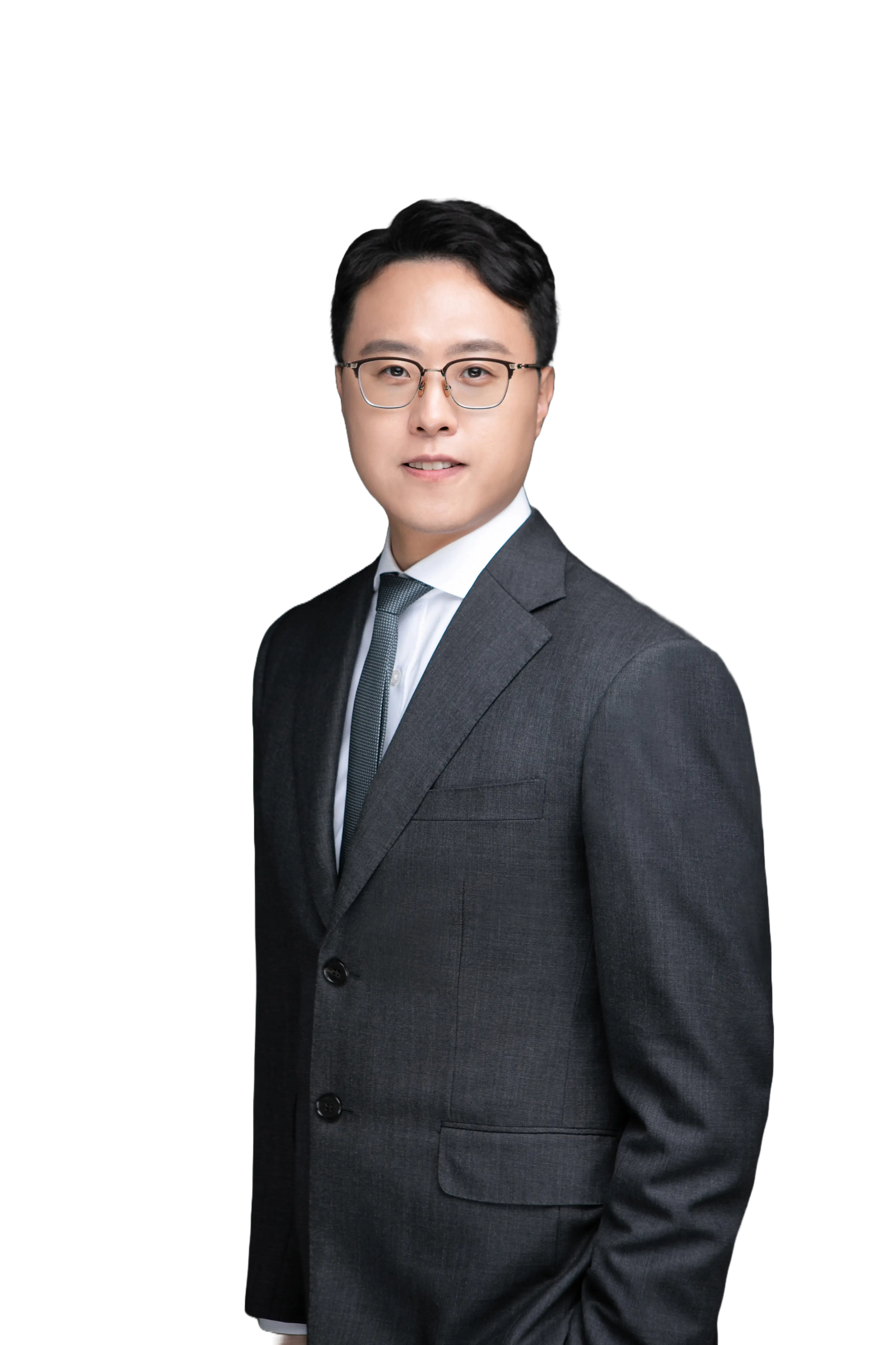
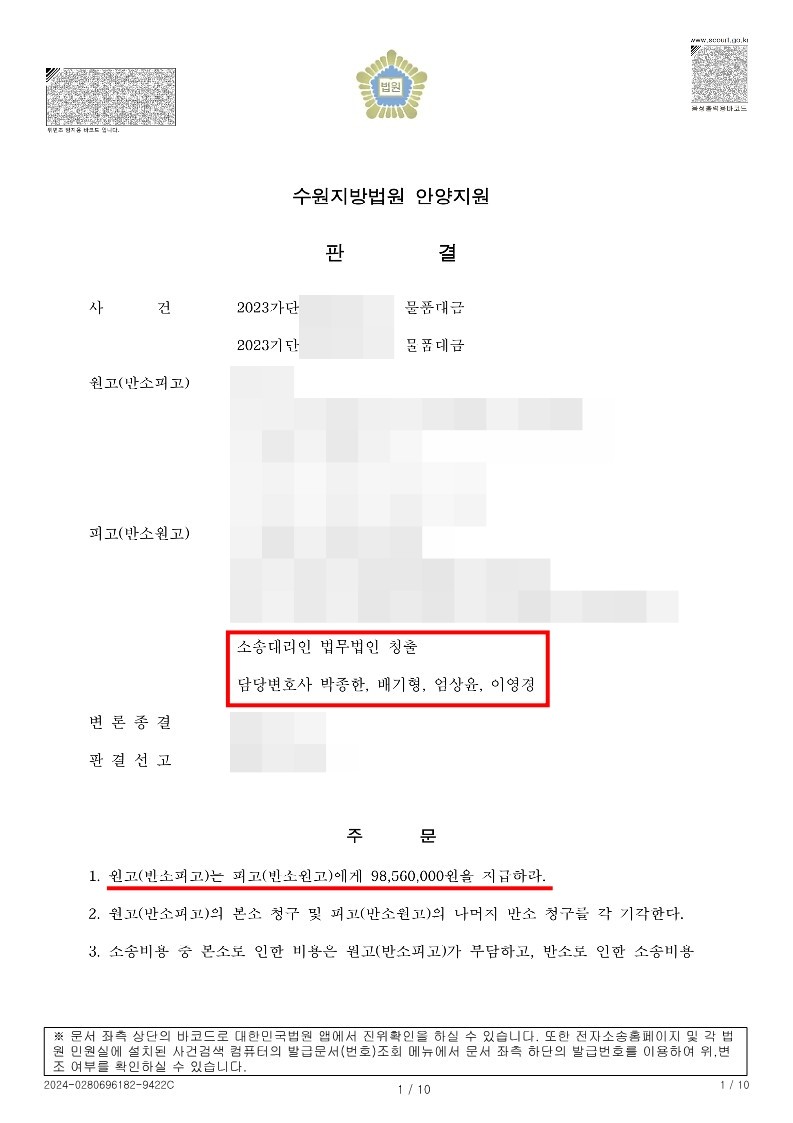
Cheongchul Law Firm (Attorneys: Lee Young-kyung, Eom Sang-yun) represented a global laser cutting machine company, successfully defending against the plaintiff's claim that the equipment sold to the other party had a 'defect,' leading to a defense against contract termination and effectively obtaining a judgment in favor of collecting the full payment for the goods.
The opposing party, the plaintiff, entered into a sales contract for the laser cutting machine with the defendant, who is the client. However, the plaintiff claimed that there was a defect in the cutting machine and demanded contract termination and a refund of the deposit. In contrast, the defendant asserted that they fulfilled their contractual obligations and, as there was no defect, filed a counterclaim for the payment of the remaining balance for the goods
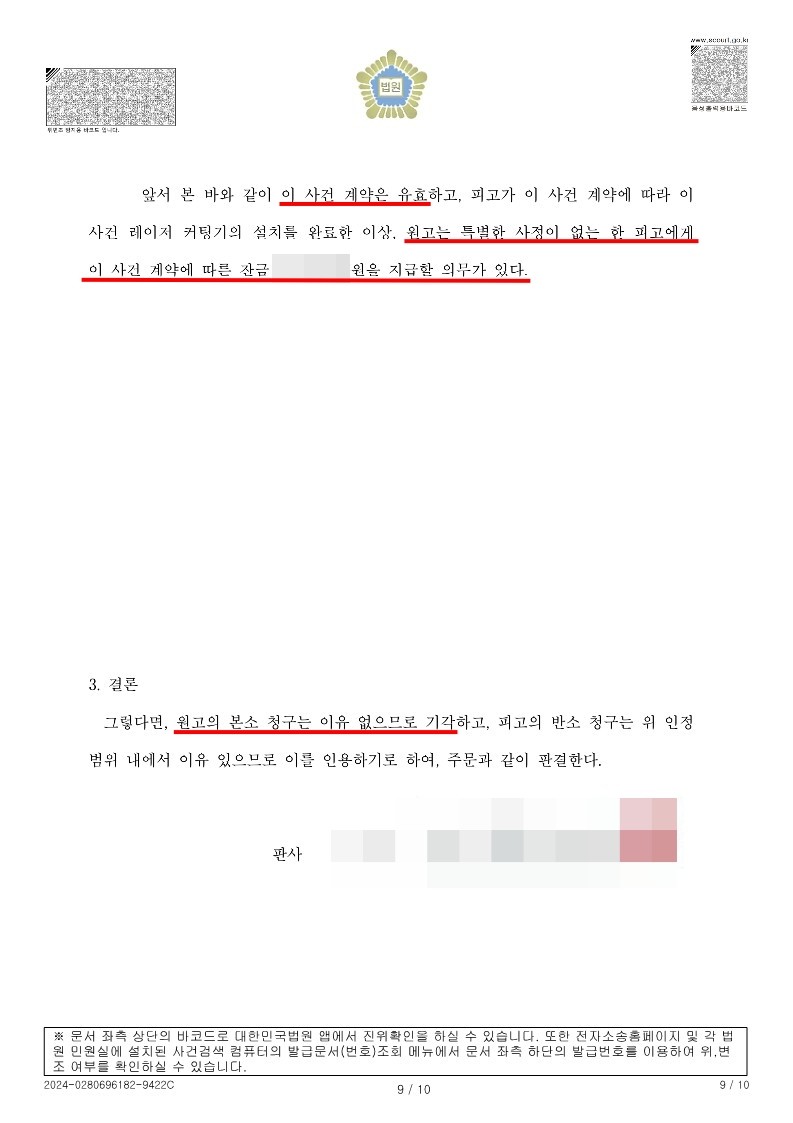
Cheongchul Law Firm emphasized during the litigation process that the equipment in question was a normal product and that the content of the 'defect' claimed by the plaintiff did not correspond to the contractual conditions, nor did it meet the concept of 'defect' recognized in the Supreme Court's rulings. Consequently, the first instance court accepted Cheongchul's arguments, dismissing all claims of the plaintiff and virtually accepting the defendant's counterclaim.
In particular, the first instance court clearly confirmed the Supreme Court's ruling that the buyer's liability for defects in the purchased goods (contract termination) should be assessed by comprehensively considering the various circumstances surrounding the contract, such as the motivations and purposes that led to the contract, the situations faced by the parties at the time of the contract, the type and nature of the goods, the content and degree of the defect, and the time or cost incurred for repairs (referencing the Supreme Court ruling on September 9, 2010, 2010Da27625). It dismissed the plaintiff's claims for contract termination due to the defect in the purchased goods (Article 580, Paragraph 1 of the Civil Act) while considering the contents argued by Cheongchul during the litigation process.
This case clearly illustrates the criteria for determining the concept of 'defect' and the requirements for contract termination due to defects in disputes arising during the fulfillment of equipment-related contracts. Cheongchul has handled numerous cases related to disputes over payment for goods concerning equipment-related contracts.
If you need solutions for related disputes, please do not hesitate to contact Cheongchul Law Firm.


서울 강남구 테헤란로 403 리치타워 7층
Tel. 02-6959-9936
Fax. 02-6959-9967
cheongchul@cheongchul.com
개인정보처리방침
면책공고
© 2025. Cheongchul. All rights reserved