
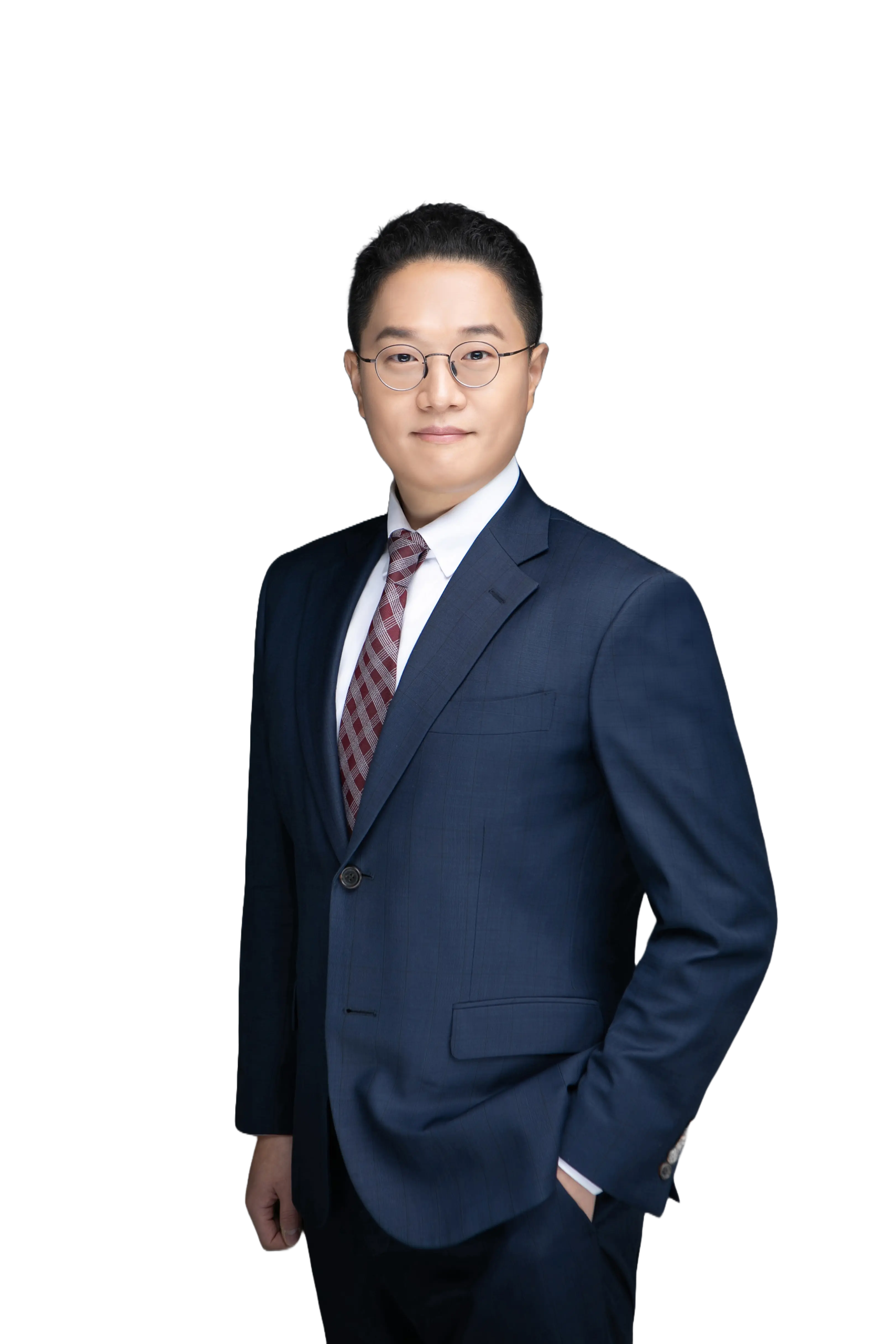
Hello, I am Lawyer Kim Kwang-sik from Cheongchul Law Firm.
The urban redevelopment project plays an important role in improving the local residential environment and balanced urban development, but it is a field where legal conflicts frequently arise during the process. Recently, the Supreme Court made a ruling regarding the lawful method of residents' briefings and the scope of obligations for establishing a master plan under the Urban and Residential Environment Maintenance Act (hereinafter referred to as the "Urban Maintenance Act"). Notably, the consistency between the original ruling and the Supreme Court's judgment, which recognized the legality of the disposition by Gunpo City, stands out (Supreme Court ruling on January 23, 2025, case number 2024du55006). Below, we will explore the meaning of the judgment focusing on the case overview and major issues.
[Question]
What are the lawful methods for residents' briefings and the scope of obligations for establishing a master plan under the Urban Maintenance Act?
[Answer]
1. Case Overview: The Procedure for Designating the Redevelopment Area in Gunpo City and Legal Disputes
The Gunpo City Redevelopment Project Preparation Committee proposed a plan for designating a maintenance area to Gunpo City around January 2020. After review, Gunpo City requested certain supplements, and the preparation committee submitted a new proposal in November 2020, which included a quasi-residential area of 9,185㎡ adjacent to existing land.
Subsequently, Gunpo City finalized the designation of the maintenance area and announced it in December 2021 after undergoing a series of procedures that included construction permit restrictions, advisory meetings with the Urban Planning Committee, public disclosure to residents, gathering opinions from the city council, and review by the Joint Urban Landscape Committee. However, some landowners filed a lawsuit claiming procedural issues in the designation process of the maintenance area.
The original ruling determined that Gunpo City's actions were lawful, and the Supreme Court also respected the original judgement and dismissed the appeal. Below, we will examine the specific reasons.
2. Lawfulness of the Notification Method for Residents' Briefing: Necessity of Written Notification
Article 15 (1) of the Urban Maintenance Act stipulates that a residents' briefing must be held when formulating a maintenance plan, and opinions should be collected through public disclosure. The plaintiffs argued that Gunpo City violated procedural laws by not notifying the date and location of the residents' briefing in writing.
Both the original ruling and the Supreme Court found Gunpo City's actions to be lawful. The reasons are as follows:
a. Scope of the Written Notification Obligation
The Urban Maintenance Act Article 15 (1) only mandates written notification regarding the maintenance plan itself, and it does not require written notification concerning the holding of residents' briefings. Therefore, the omission of written notification by Gunpo City does not constitute a legal violation.
b. Reasonable Notification Method
Gunpo City provided detailed information on the date, location, and access method (using Zoom and YouTube) for the residents' briefing through the Gunpo City Hall website and also posted the briefing video. In the context of social distancing measures being implemented to prevent the spread of COVID-19, this non-face-to-face method can be considered substantial.
The Supreme Court ruled that Gunpo City's actions effectively provided sufficient information to the residents and that the method of holding the residents' briefing was appropriate. This ruling clarified that written notification is not absolute for the method of residents' briefings and that flexible methods can be permitted in accordance with situational circumstances.
3. Obligation to Establish a Master Plan and Lawfulness of Gunpo City's Designation of Maintenance Area
The plaintiffs claimed that Gunpo City violated the law by not establishing a master plan for urban and residential environment maintenance prior to designating the maintenance area. However, both the original ruling and the Supreme Court found Gunpo City's actions to be lawful.
a. Exception to the Obligation to Establish a Master Plan
Article 4 (1) of the Urban Maintenance Act generally stipulates that the mayor must establish a master plan. However, in cities with populations of less than 500,000, the obligation to establish a master plan can be exempted if the governor recognizes that there is no need for such.
b. Application of Exception in Gunpo City
Gyeonggi Province designates "cities recognized by the governor as not needing to establish a master plan" as "cities with a population of less than 500,000." Gunpo City falls under the category of cities with a population of less than 500,000, allowing the mayor of Gunpo City to formulate a maintenance plan and designate a maintenance area without establishing a master plan.
The Supreme Court held that the legislative intent behind this exception is to reduce the planning burden on local governments where there is not high demand for maintenance projects in areas with a population of less than 500,000, thus allowing redevelopment projects to proceed without the establishment of a master plan. The judgment of the original ruling was deemed lawful in recognizing the designation of the maintenance area by the mayor of Gunpo City as lawful without the establishment of a master plan.
4. Conclusion: Legal Procedures and Flexibility in Urban Redevelopment Projects
This ruling presented an important judgment on procedural issues such as the method of resident briefings and the obligation to establish a master plan in urban redevelopment projects. Notably, both the original ruling and the Supreme Court recognized the lawfulness of non-face-to-face briefings under the special circumstances of COVID-19, clearly interpreted the exception clause for the obligation to establish a master plan, and justified the actions of Gunpo City.
Since urban redevelopment projects directly impact the lives of local residents, it is important that all stakeholders communicate based on a clear understanding of the legal procedures involved.
Lawyer Kim Kwang-sik, based on expertise and experience accumulated at Kim & Jang Law Office, has successfully resolved numerous real estate-related cases, dealing with complex legal disputes such as ownership disputes, registration issues, and possession problems, providing clients with the most suitable customized legal solutions.
In legal matters related to real estate, timely and accurate judgment is crucial. Working with Cheongchul, we will accurately grasp the essence of the case and focus on bringing about optimal results. If you trust and entrust your case to us, we will be a strong ally for you.
Related work cases that are good to see together


서울 강남구 테헤란로 403 리치타워 7층
Tel. 02-6959-9936
Fax. 02-6959-9967
cheongchul@cheongchul.com
개인정보처리방침
면책공고
© 2025. Cheongchul. All rights reserved