
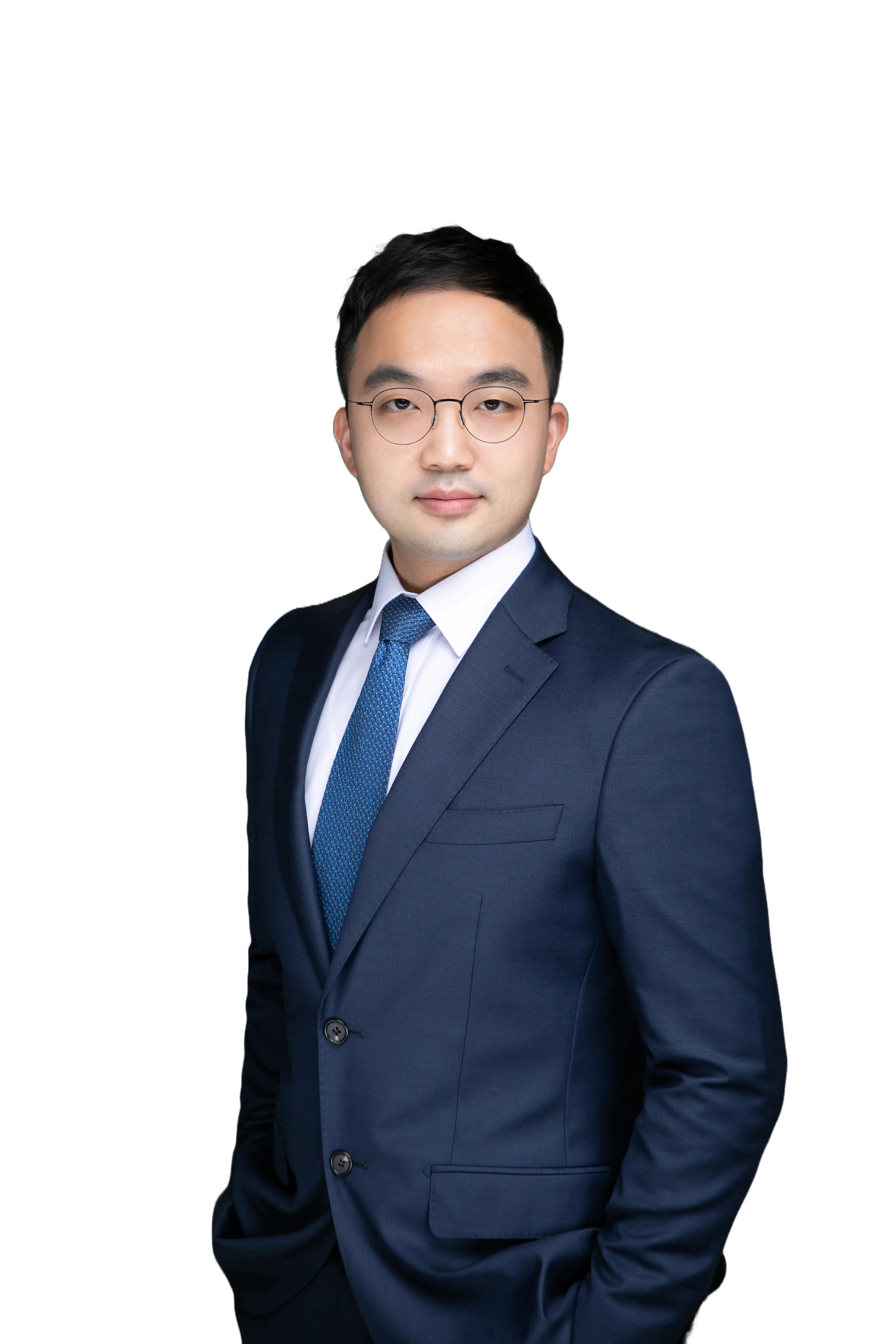
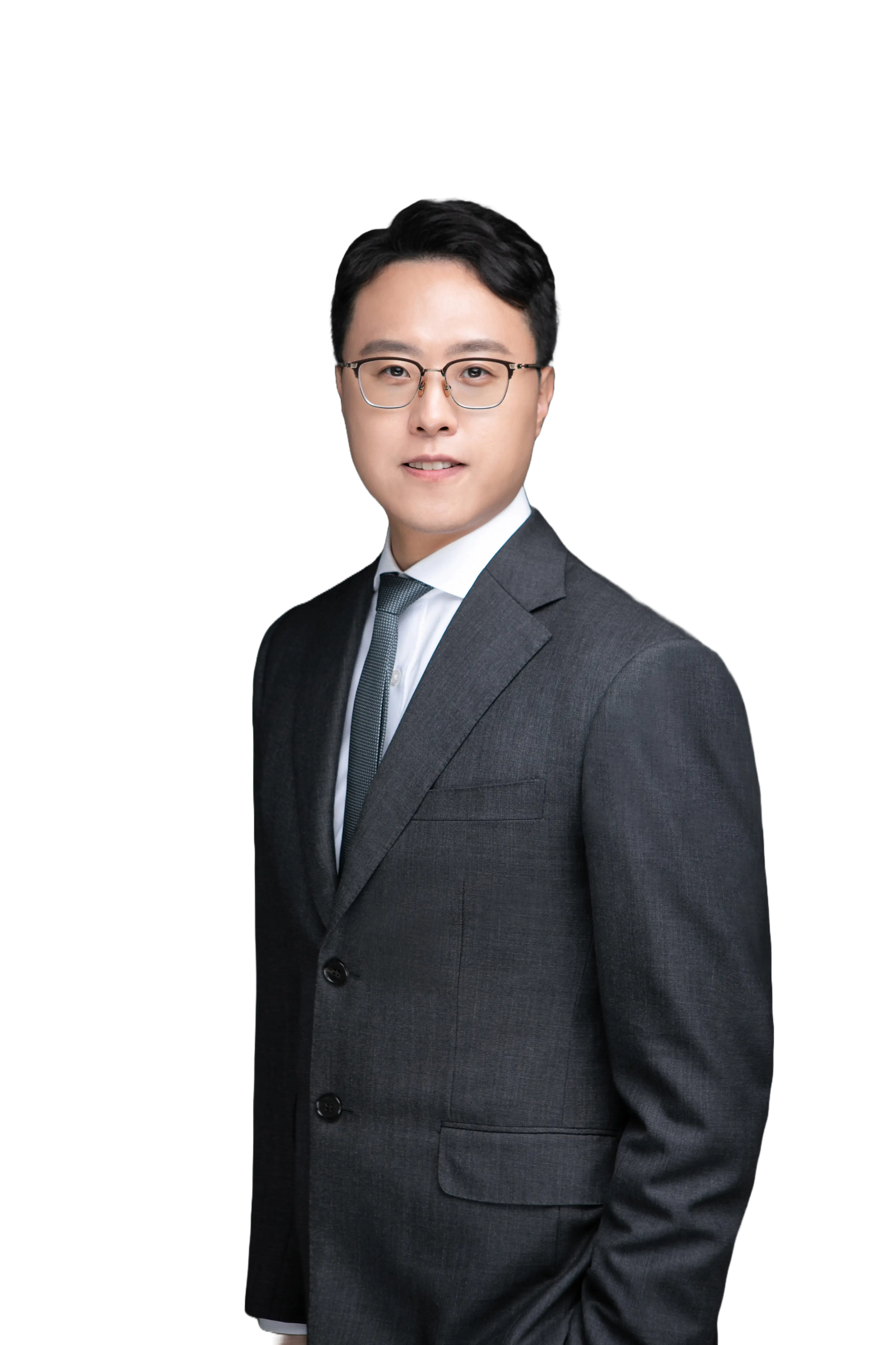
Law Firm Cheongchul (Attorney in Charge: Lee Youngkyung, Eom Sangyoon) has defended a client who was sued for defamation due to remarks made during a conflict situation among members within the organization, leading to the prosecution's decision not to indict.
In organizations with many members, differences in thoughts and conflicts of opinion can arise among members. In this process, opinions or remarks from both sides may be conveyed through specific individuals without being directly exchanged between the parties involved.
This case began when the defendant was accused of defamation by a third party due to specific expressions directed toward that third party, which the third party, having heard of these, used to sue the client for defamation, in an effort to resolve conflicts arising between clients and members.
The law firm Cheongchul first detailed the circumstances leading to this incident and explained through physical evidence (recordings) and testimonies of witnesses that the client did not make any remarks in question. Moreover, they also explained that even if such remarks were made, it would not constitute defamation.
The Supreme Court has ruled that the expression subject to defamation must meet certain criteria, stating, “If the expression is rude and beyond the bounds of courtesy, which can make the other person uncomfortable, or if it reflects negative or critical opinions or feelings toward the other person while using mild abstract expressions or insults, it cannot be considered an infringement of external reputation unless there are special circumstances, and thus does not meet the criteria for defamation.” (Supreme Court Decision 2019Do7370 on August 31, 2022), and regarding the 'publicity' requirement for defamation, it stated, “The fact that it was expressed only to a specific few can be a significant factor negating publicity, requiring strict proof from the prosecutor regarding its possibility of dissemination under such circumstances.” Further, “Whether publicity is recognized in concrete cases must be objectively judged by comprehensively assessing the specific circumstances at the time of the act, including the circumstances and situations leading to the remarks, the content and method of the remarks, the intent of the actor, the attitude of the actor and the counterpart, as well as the relationship and status of the actor, counterpart, and victim.” (Supreme Court Decision 2022Do14571 on January 4, 2024).
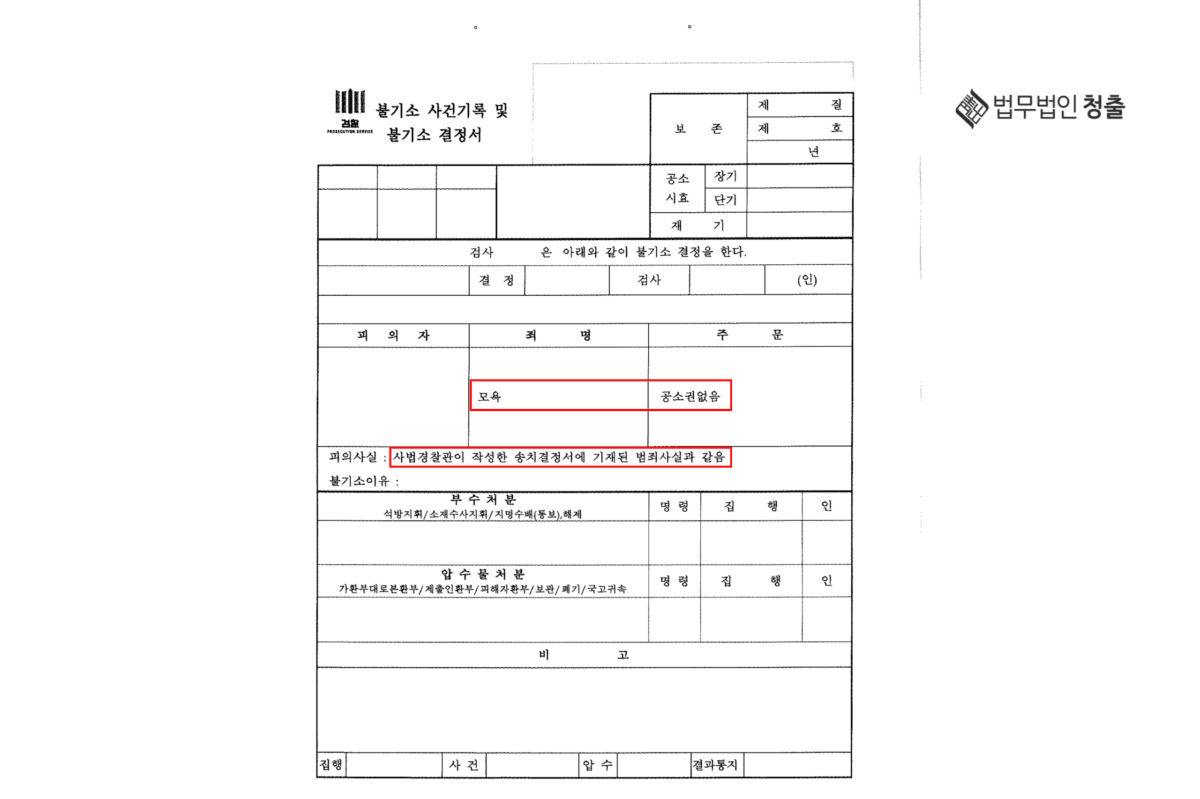
Cheongchul explained the facts of the case and the legal principles regarding defamation to the prosecution, ultimately resulting in the complainant withdrawing the complaint and leading to a decision not to prosecute.
This case is an example of a situation that can happen easily in daily life and can happen to anyone. However, appropriate responses to such situations may differ from person to person and case to case.
Cheongchul thoroughly understood the circumstances leading to this incident and structured the information to be easily comprehensible to the investigative agency, eventually enabling the withdrawal of the complainant's complaint. It is essential for criminal cases, including defamation cases, to consider the unique circumstances of each case, evidence that supports claims, and the construction and explanation of the applicable legal principles.
If you need assistance regarding criminal matters, please feel free to contact Law Firm Cheongchul.
Related work cases that are good to see together
Criminal Investigation & Litigation
[Criminal Procedure] Victory in Supreme Court acquittal for violation of the Anti-Stalking Act and trespassing case
Criminal Investigation & Litigation
[Criminal Procedure] Violation of the Act on the Aggravated Punishment of Specific Economic Crimes (Fraud), representing victims of similar receiving actions resulting in a sentence of 8 years in prison.
Corporate advisory · Dispute
Construction & Real Estate
[Criminal Procedure] Assisting the defendant in a case of violation of the Labor Standards Act to obtain a dismissal judgment.


서울 강남구 테헤란로 403 리치타워 7층
Tel. 02-6959-9936
Fax. 02-6959-9967
cheongchul@cheongchul.com
개인정보처리방침
면책공고
© 2025. Cheongchul. All rights reserved