

A local housing association I joined to fulfill my dream of owning a home. But how absurd would it be if, contrary to the promotional claims of "building a large 36-story apartment complex," it turned out that the land could not legally accommodate high-rise buildings? Moreover, what should I do if the "full refund in case of project cancellation" guarantee certificate is on the verge of becoming a scrap of paper?
I will clearly summarize the issues related to false and exaggerated advertising that frequently occur when joining local housing associations, the legal issues surrounding the guarantee certificate that can be invalidated, and the possibilities of contract cancellation and refund.
[Table of Contents]
Promised 36 stories, but only low-rise is possible? Clear fraud and contract cancellation
Can the association, which claims "it was an employee's mistake," be held liable for damages?
'Full refund guarantee' special clause (guarantee certificate), can we trust it? (Possibility of invalidation)
If the special clause is invalid, is there no way to receive aid? (Cancellation due to fraud or error)
If proving fraud is difficult? Refund strategy through dissolution of membership eligibility
1) Promised 36 stories, but only low-rise is possible? Clear fraud and contract cancellation
When joining the local housing association, if you signed a contract after hearing they would build a "large 36-story landmark apartment," only to later find out that the business site is a legally designated low-rise area, this represents a typical case of fraud due to breach of duty to inform. The number of stories and the scale of the apartment is a very 'significant matter' in deciding whether to join. If they recruited members while hiding this fact, it is considered fraud, and contract cancellation and refund claims are possible.
2) Can the association, which claims "it was an employee's mistake," be held liable for damages?
When issues arise, the association often tries to evade responsibility by saying, "It was just a personal mistake of the employee of the management agency; the association has never engaged in false advertising." Can the association really escape liability? The conclusion is 'the association is also liable.' Legally, the management agency bears employer liability as the employer of the employee, and the association shares joint tort liability with the management agency. In other words, according to the responsibility structure of 'employee → management agency → association', the association cannot avoid legal responsibility.
3) 'Full refund guarantee' special clause (guarantee certificate), can we trust it?
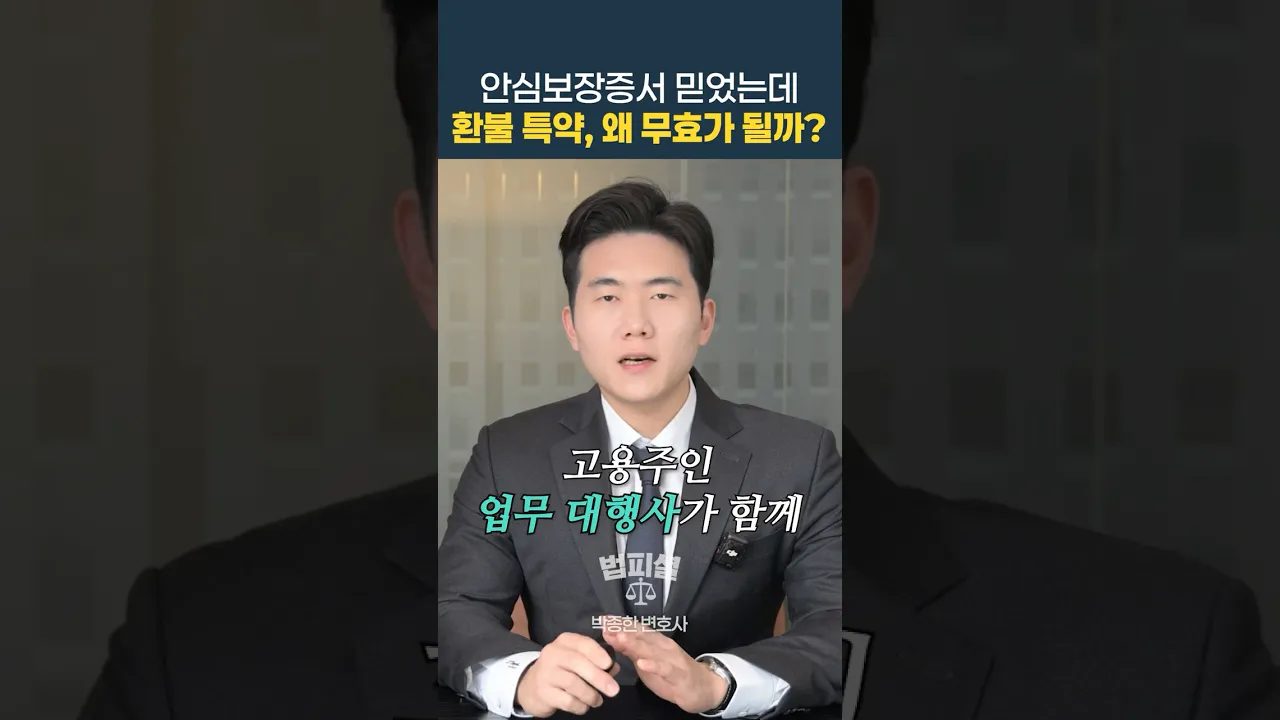
Many people hastily join trusting the 'guarantee certificate' or special clause that promises to refund the full payment in case of project cancellation. However, to put it bluntly, there is a high possibility that the special clause itself is invalid.
The funds of the local housing association (contribution) are considered 'common property' under civil law. A promise to return these funds is seen as a disposition of common property; thus, it must go through a resolution of the general meeting of members. The courts have consistently ruled that agreements for refund guarantees made without such a resolution are invalid.
4) If the special clause is invalid, is there no way to receive aid? (Cancellation due to fraud or error)
"If the guarantee certificate is invalid, doesn't that mean members receive no protection?" You might be worried. However, this is precisely where 'grounds for cancellation' arise.
The crux of the matter is that the association did not explain important circumstances such as ① the absence of a general meeting resolution, ② the possibility of the proposal being rejected in a future meeting, and ③ that it could legally be invalid, making members believe it was valid. The courts recognize such conduct as fraud (deception) or inducing error, which serves as the basis for canceling the contract.
5) If proving fraud is difficult? Refund strategy through loss of membership eligibility
If it is challenging to recognize fraud or error, is there no alternative? In such cases, you can utilize 'membership eligibility requirements'. If it is determined that you do not meet the eligibility requirements and have lost membership eligibility, the court has ruled that the refund provisions according to the association's rules should be applied to return the contribution.
However, in such cases, be aware that penalties, management fees, and actual costs may be deducted. Nevertheless, the benefit is that you can still receive a refund of the remaining amount, excluding these deductions. However, since the timing of the refund may be uncertain, thorough expert review is needed on this matter.
This post is written for the purpose of providing legal information, and legal judgments may vary depending on specific circumstances.
Related work cases that are good to see together


서울 강남구 테헤란로 403 리치타워 7층
Tel. 02-6959-9936
Fax. 02-6959-9967
cheongchul@cheongchul.com
개인정보처리방침
면책공고
© 2025. Cheongchul. All rights reserved