
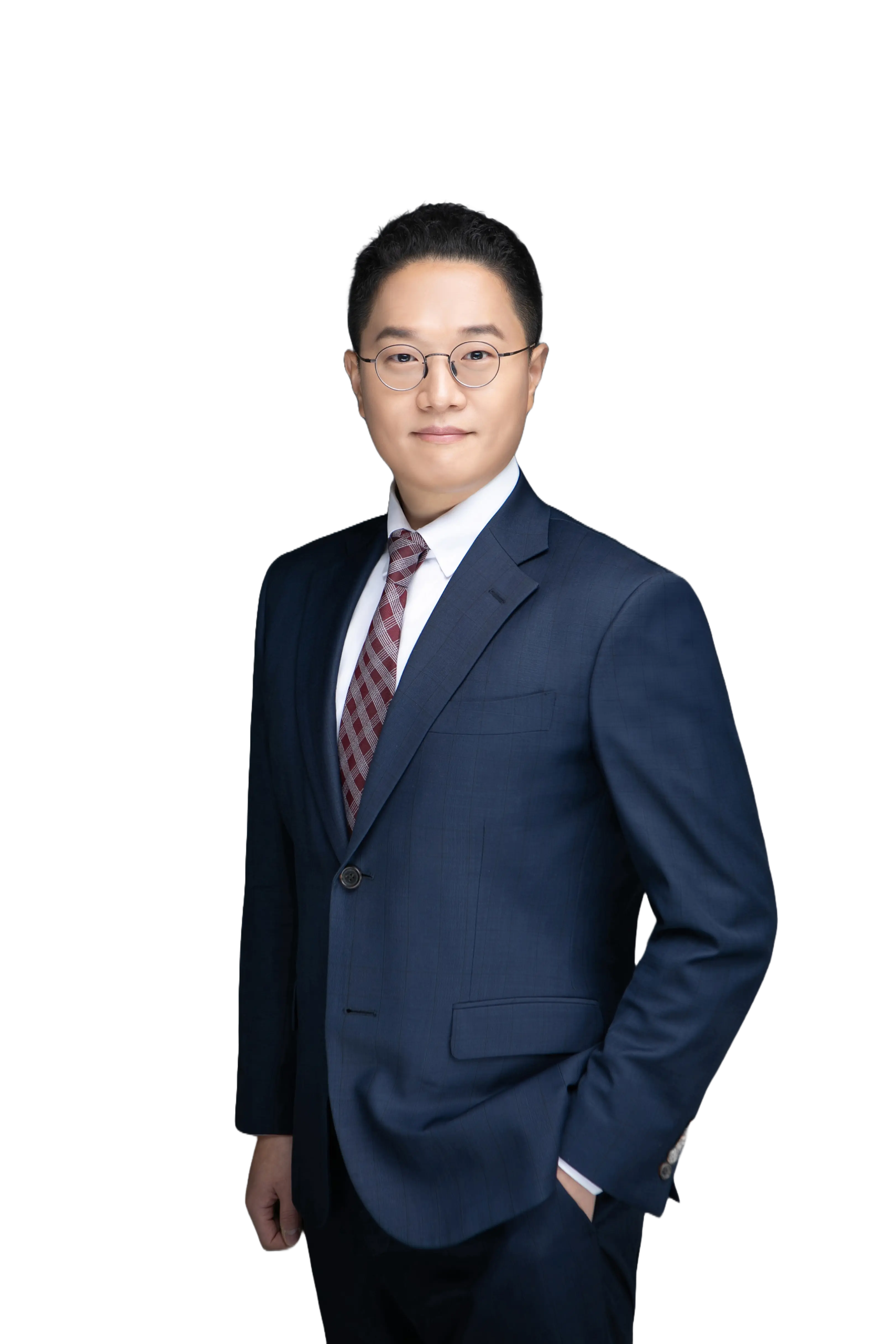
Hello, I am Attorney Kim Kwang-sik from Cheongchul Law Firm.
Disputes between landowners and occupants arise in various forms, but one of the main legal issues is whether the occupant can be reimbursed for costs spent on the land by the owner.
In particular, when an occupant incurs necessary expenses or beneficial expenses while occupying the land, it becomes a question of when and on what legal basis those costs can be reimbursed. In this regard, the Supreme Court has recently clarified the scope of application of Articles 203 and 741 of the Civil Code through recent precedents.
Today, we will examine the timing and limits of the establishment of the right to reimbursement of costs between the occupant and the owner based on that precedent.
[Question]
What conditions must be met for an occupant to claim reimbursement of beneficial or necessary expenses from the owner?
[Answer]
1. Background of the Case
The plaintiff, the owner, filed a claim for restoration of true ownership registration against the defendant, who is currently the registered holder and occupant, in a situation where the registration of the land owned by the plaintiff was transferred to the defendant through a document forgery. Therefore, the defendant filed a counterclaim based on an unjust enrichment claim (Article 741 of the Civil Code) for the costs incurred during this land case and, in the alternative, an expense reimbursement claim as an occupant (Article 203, Paragraph 2 of the Civil Code).
Defendant's Claim: The beneficial expenses incurred to increase the land value during the occupancy should be reimbursed.
Since the transfer under the defendant's name was due to document forgery, the plaintiff's claim could have been upheld, but ultimately, the main issue in this case was whether the plaintiff has an obligation to return unjust enrichment or reimburse beneficial expenses to the defendant, as claimed by the defendant.
2. Supreme Court's Judgment
A. The Applicability of Article 741 of the Civil Code (Unjust Enrichment Claim)
Article 203 of the Civil Code is a special provision related to the return of possession, which takes precedence over the unjust enrichment claim.
Therefore, the occupant cannot claim reimbursement of costs based on Article 741 of the Civil Code, and can only claim reimbursement at the time of return under Article 203 of the Civil Code.
B. Occurrence of Expense Reimbursement Claim Rights According to Article 203 of the Civil Code
The occupant's right to claim reimbursement of necessary or beneficial expenses arises only when the owner has requested the return of possession or when the occupant has returned the possession.
In this case, since the plaintiff did not request the return of possession and neither did the defendant, the right to claim reimbursement of beneficial expenses has not yet arisen.
C. Conclusion of the Supreme Court
Accordingly, the Supreme Court agreed with the lower court's judgment that Article 203 of the Civil Code is a special provision over Article 741 of the Civil Code, and in this case, the plaintiff was not seeking the return of the land based on Article 213 of the Civil Code but was only filing for the registration of true ownership restoration, thus denying the defendant's claim for reimbursement of beneficial expenses together with the unjust enrichment claim.
3. Significance of this Case Precedent
This precedent clarifies the following regarding the reimbursement claim of costs from the occupant to the owner.
A. For the occupant to claim reimbursement of expenses under Article 203 of the Civil Code from the owner, the return must actually take place or at least the owner must have requested the return of possession.
B. The reimbursement claim right under Article 203 of the Civil Code is a special provision over Article 741 of the Civil Code and applies preferentially over unjust enrichment claims.
Attorney Kim Kwang-sik utilizes the expertise and experience gained at Kim & Chang Law Office to successfully resolve numerous real estate-related cases, dealing with complex legal disputes such as ownership disputes, registration issues, and possession issues, and providing clients with the most suitable custom legal solutions.
Addressing legal issues related to real estate requires prompt and accurate judgment. Together with Cheongchul, we will focus on accurately understanding the nature of the case and leading to optimal results. If you trust us, we will be a reliable ally.
Related work cases that are good to see together


서울 강남구 테헤란로 403 리치타워 7층
Tel. 02-6959-9936
Fax. 02-6959-9967
cheongchul@cheongchul.com
개인정보처리방침
면책공고
© 2025. Cheongchul. All rights reserved