
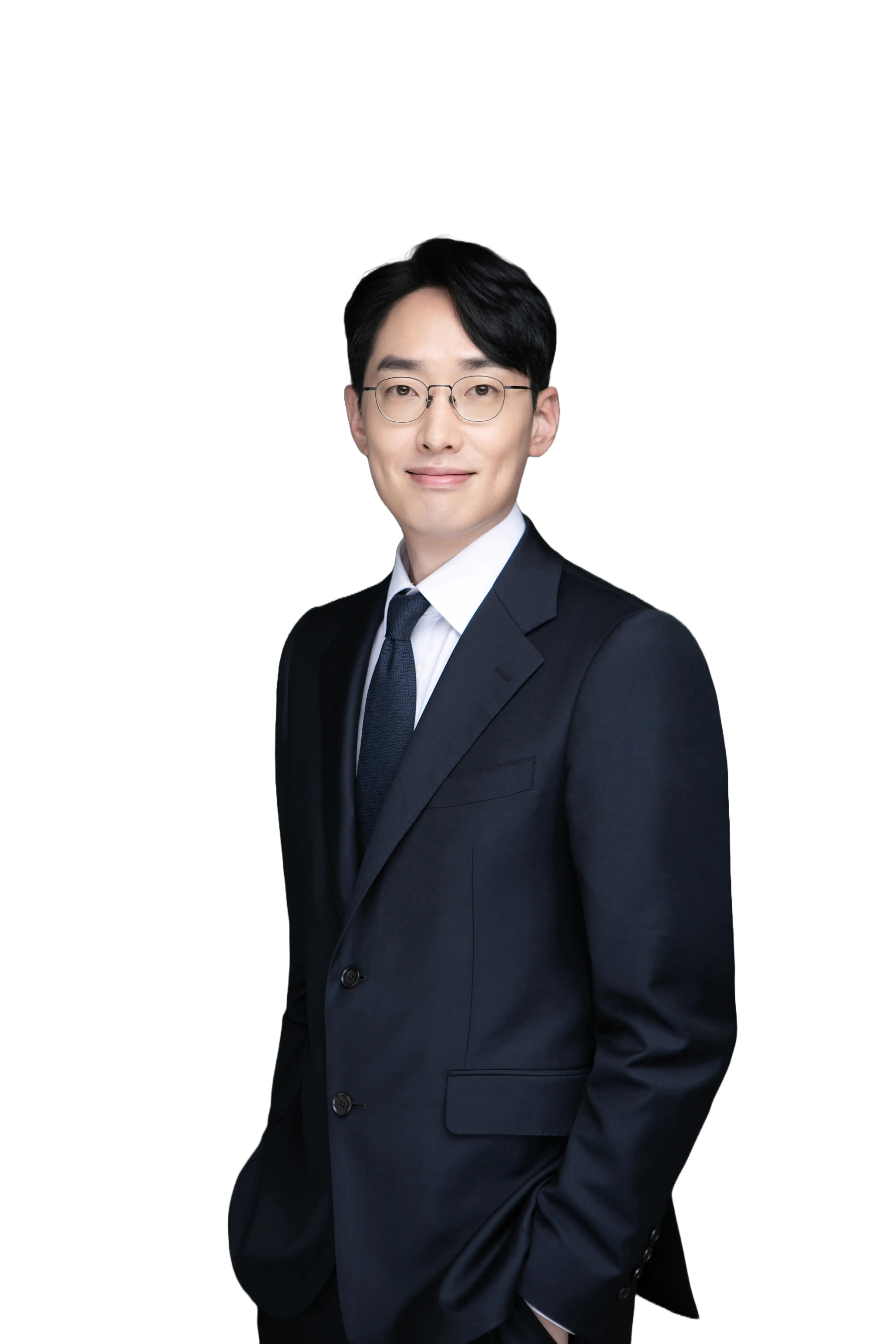
Hello, I am Attorney Baek Gi-hyung from Cheongchul Law Firm.
This post is the third topic regarding ‘the legal relationship surrounding the lending of names in the construction industry’, specifically the issue of ‘the validity of construction contracts entered into through name lending’.
In practice, it is not uncommon for unlicensed construction workers to lend the names of licensed construction contractors, and particularly in public procurement contracts, such cases are frequently found at the subcontracting stage.
The Basic Construction Industry Act stipulates that construction work cannot be performed without being registered as a construction contractor and that contracts can only be entered into for industries corresponding to the project content. However, based solely on this regulation, there may be questions about whether a construction contract made with someone without a construction license should be considered invalid.
In particular, if the contracting party was unaware that the individual without a construction license would perform the work, one might consider whether the contract should indeed be deemed invalid.
[Question]
Is a construction contract entered into through the lending of the name in the construction industry valid?
[Answer]
The Supreme Court stated, “Article 16-2 of the former Construction Industry Act (before the amendment by Law No. 5230 on December 31, 1996) prohibiting the lending of names by construction contractors is a mandatory provision, and contracts that violate this are invalid (see Supreme Court ruling 88DaKa7306, ruled on November 22, 1988), but it should not be viewed that contracts made by those who borrowed names from construction contractors are also invalid.” Therefore, it concluded that the construction contract itself is valid.
This legal principle applies regardless of whether the contracting party is determined to be a borrower without a construction license or a lender with a registered construction license.
In other words, even if the contracting party was unaware that an unlicensed contractor would actually perform the work, the construction contract is treated as valid.
In reality, this issue often arises in relation to ‘performance guarantees’ or ‘insurance guarantees’.
When lending a name in the construction industry, the ‘performance guarantee’ or ‘insurance’ provided in conjunction with the construction contract is also issued by the lender, so when an incident occurs, the contracting party will claim the guarantee or insurance payment from the construction guarantee association or insurance company that issued the performance guarantee.
However, from the perspective of the construction guarantee association or insurance company, they may refuse to pay the guarantee or insurance amount, citing that they entered into the guarantee contract or insurance contract without knowing the fact of name lending, and may argue that the construction contract itself, which is the subject of the guarantee or insurance, is invalid at the litigation stage.
However, the Supreme Court asserts that the construction contract itself is valid, and therefore any guarantees or insurance based on it are also valid.
Of course, even if the construction contract is deemed valid, the contracting party may have grounds to terminate the contract or cancel it according to the provisions of civil law based on the fact that they were unaware that the contractor was unlicensed.
Attorney Baek Gi-hyung has worked in the construction/real estate team of the Defense Facilities Agency and a large law firm and offers legal advice on the entire process of national contracts and construction projects, including large-scale construction projects and defense facilities projects. With a wealth of experience and expertise in resolving related disputes, please feel free to contact us if you need assistance related to national projects, private construction projects, public procurement contracts, state property, local property, and public property.
Cheongchul Law Firm consists only of attorneys from Korea's top four large law firms: Kim & Chang, Lee & Ko, Bae, Kim & Lee, and Sejong, and we form teams of specialized attorneys in fields related to each case rather than relying on a single lawyer. Cheongchul offers comprehensive solutions that go beyond solving specific issues, focusing on achieving what the client ultimately wants. If you need help achieving your goals, do not hesitate to contact Cheongchul.
Related work cases that are good to see together


서울 강남구 테헤란로 403 리치타워 7층
Tel. 02-6959-9936
Fax. 02-6959-9967
cheongchul@cheongchul.com
개인정보처리방침
면책공고
© 2025. Cheongchul. All rights reserved