
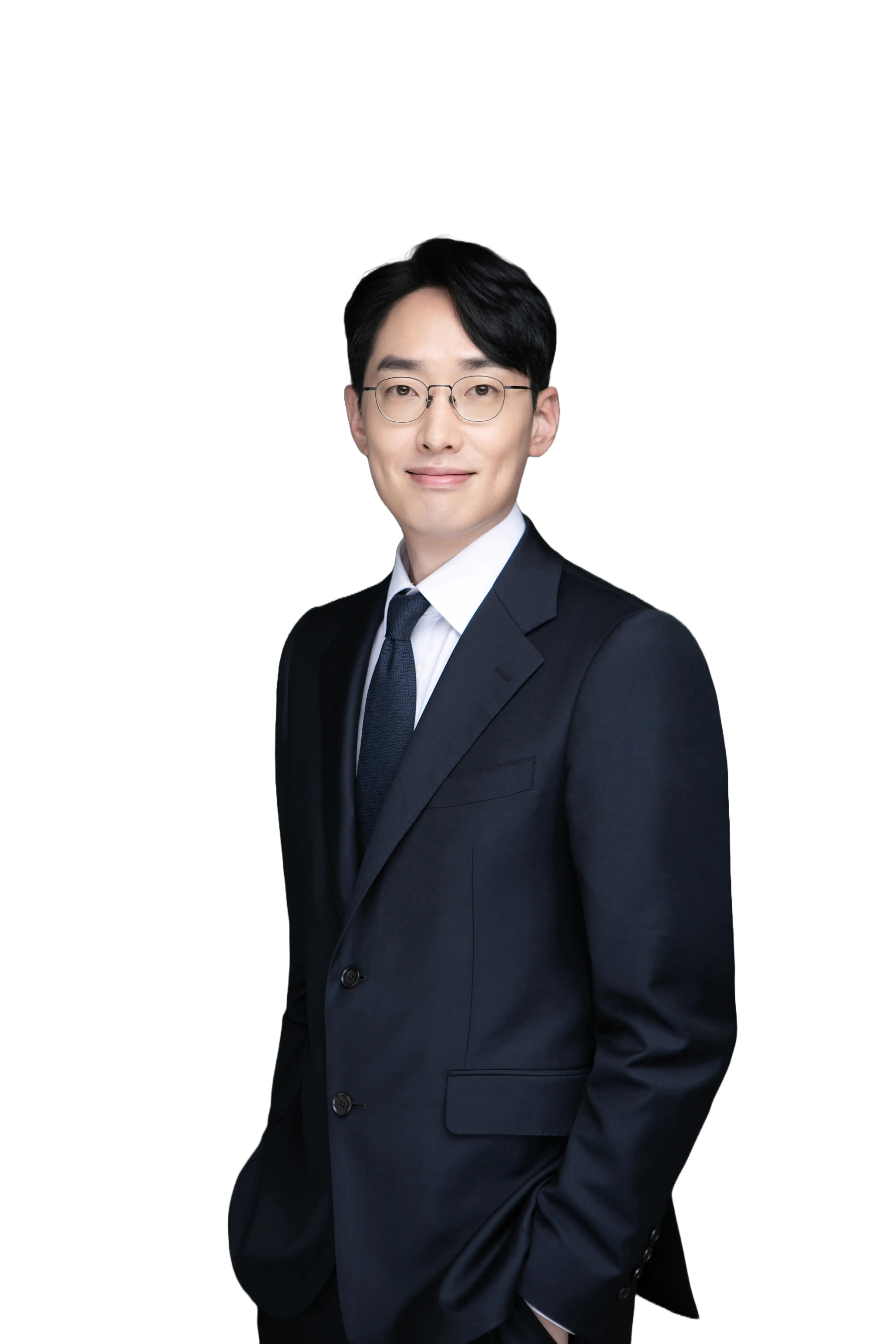
Hello, I am Attorney Baek Gi-hyung from the law firm Cheongchul.
This post is the fourth topic regarding the 'legal relationship surrounding the lending of names in the construction industry': 'In cases where the lending of names contract is void, can one claim the return of a construction license despite Article 746 of the Civil Code (unlawful causes of payment)?'
Article 746 of the Civil Code states, "If property is conferred or labor is provided due to an unlawful cause, one cannot claim the return of the benefits." Since a lending of names contract is unlawful because it violates the Construction Industry Basic Act, one may wonder whether it is possible to claim the return of the construction industry name lending.
[Question]
If the lending of names contract in the construction industry is void, can it be considered impossible to claim the return based on the unlawful cause of payment under Article 746 of the Civil Code?
[Answer]
The Supreme Court has stated, "The lending contract for a construction license is void for violating the old Construction Industry Act (now the Construction Industry Basic Act), and the construction transfer contract entered into as a means of lending a construction license should also be seen as a legal evasion of the mandatory provisions of the aforementioned old Construction Industry Act, which is also void. However, since the contract itself is not contrary to good morals or social order and is not unethical, the lending of a construction license in the form of a construction transfer contract does not fall under the unlawful cause of payment, so it is natural that the party who received the construction license in the form of a construction transfer contract has an obligation to return it, and thus the agreement on the return of such a lent construction license cannot be denied its effectiveness." (Refer to the Supreme Court ruling on November 22, 1988, case 88DaKa7306).
In other words, since the lending of names contract in the construction industry is itself void, it is naturally required to return the license, and if the name borrower does not return it, it means that a lawsuit can be filed to claim it.
The conclusion above shares a goal of 'blocking the inducement for lending a name in the construction industry' along with voiding the effect of agreements on 'payment of lending fees' or 'introduction commissions for lending names.'
By denying the very effect of lending names in construction, it makes it impossible to receive construction contracts (especially government contracts); ② it also denies the effect of agreements for lending fees or introduction commissions, thus blocking the inducement to lend names or introduce and mediate lending names. However, ③ if the lent construction license is regarded as an unlawful cause of payment and cannot be returned, then ultimately the name borrower effectively retains the construction license, thereby eliminating the possibility that lending names could be considered valid.
Considering the fundamental purpose of the Supreme Court ruling, I believe that in future instances where the effect of other incidental contracts surrounding the lending of names may be in question, conclusions could be anticipated by referring to the intention of the Supreme Court ruling.
Attorney Baek Gi-hyung, having worked at the Defense Facilities Agency and a major law firm’s construction/real estate team, provides legal consulting on the entire process of national contracts and construction projects, including large-scale construction projects and defense facility projects, and possesses rich experience and expertise in resolving related litigation. If you need assistance related to government contracts, private construction projects, public procurement contracts, national property, local property, or public assets, please feel free to contact us.
The law firm Cheongchul consists solely of attorneys from the four largest law firms in Korea: Kim & Chang, Kwangjang, Taepyungyang, and Sejong, and responds with a team of specialized attorneys not just from one attorney, but from various fields related to the case. Cheongchul aims to provide comprehensive solutions for entire business operations, focusing on ultimately achieving what the client desires. If you need assistance achieving your goals, please do not hesitate to contact Cheongchul.
Related work cases that are good to see together


서울 강남구 테헤란로 403 리치타워 7층
Tel. 02-6959-9936
Fax. 02-6959-9967
cheongchul@cheongchul.com
개인정보처리방침
면책공고
© 2025. Cheongchul. All rights reserved