![[HR, 인사노무, 노동 변호사] 주 52시간, 한도를 넘기면 사용자는 어떤 책임을 지나요 - 연장근로 한도 위반 시 형사처벌과 탄력적·선택적 근로시간제 등 유연근로시간제 요건](https://framerusercontent.com/images/YFMCRTUziGDPrsZ5pwEjQXi2ebw.png?width=1080&height=1350)
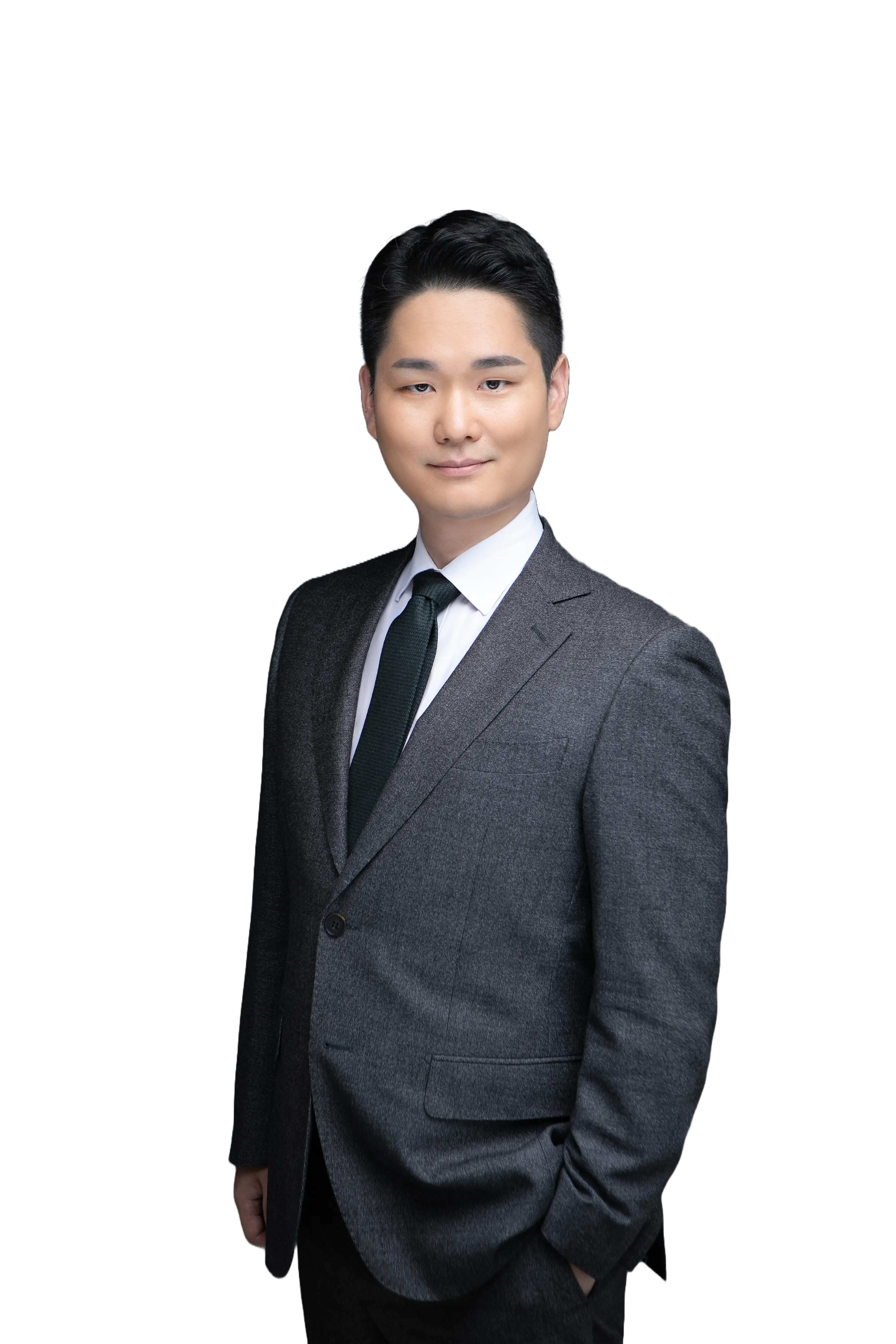
Hello, this is attorney Choi Jong-ha of Cheongchul Law Firm.
Some people think that "since the employee agreed (or voluntarily comes in early and leaves after finishing the work), it is fine to exceed 52 hours a week." However, the limit on extended work is a ceiling set by law regardless of the employee's consent.
Article 50 of the Labor Standards Act (근로기준법) sets working hours at 40 hours per week, excluding recess hours, and 8 hours per day, and Article 53(1) provides that working hours may be extended by up to 12 hours per week if the parties so agree. The basic 40 hours plus 12 hours of extended work, 52 hours in total, is the legal basis for the so-called '52-hour workweek system,' and a violation of this limit can lead even to criminal punishment, such as imprisonment for up to two years or a fine of up to KRW 20 million.
Then what should be done where, depending on the industry, work requires as much as 60 to 70 hours in certain weeks but drops to 20 to 30 hours in other weeks? Special extended work, the statutory exception to the 52-hour system above, is difficult for ordinary workplaces to use in practice, so flexible working hours systems are generally used instead.
The most commonly used is the flexible working hours system (탄력적 근로시간제). If provided for in the rules of employment, working hours in a particular week or on a particular day may be increased, as long as the average over a unit period of up to two weeks does not exceed 40 hours per week (provided, however, that a particular week may not exceed 48 hours). In addition, with a written agreement with the employees' representative, the system may be operated with a unit period of up to three months (Article 51(2)) or of more than three months and up to six months (Article 51-2), in which case a particular week may not exceed 52 hours and a particular day may not exceed 12 hours. Where the unit period exceeds three months, there are additional requirements, such as at least 11 consecutive hours of rest between working days, notice of the working hours for each working day of each week two weeks in advance, and a report of the wage preservation plan. Neither method applies to employees aged 15 or older but under 18 or to pregnant female employees.
The selective working hours system (선택적 근로시간제) leaves the starting and finishing times of work to the employee's decision. If the system is based on the rules of employment and the scope of covered employees, the settlement period, the total working hours in the settlement period and other matters are set by written agreement with the employees' representative, the working hours of a particular week or day may be exceeded, as long as the average over a settlement period of up to one month (three months for research and development of new products or new technologies) does not exceed 40 hours per week (Article 52). Where the settlement period exceeds one month, 11 consecutive hours of rest must be given, and for hours exceeding an average of 40 hours per week in each month, an additional 50% or more of ordinary wages must be paid.
There are also special rules that calculate working hours differently. Where it is difficult to calculate working hours because the employee works outside the workplace on a business trip or for other reasons, the employee is deemed to have worked the contractual working hours (Article 58(1), deemed working hours system), and for work prescribed by Presidential Decree for which, by its nature, the method of performance needs to be left to the employee's discretion, the employee is deemed to have worked the hours set by written agreement between the employer and the employees' representative (Article 58(3), discretionary deemed working hours system). The written agreement for the latter must include the covered work, a statement that the employer will not give specific instructions on the means of performing the work, the allocation of time and the like, and a statement that working hours will be calculated in accordance with that agreement.
In addition, Article 59 provides a special exception for land transport (excluding route passenger transport business), water transport, air transport, other transport-related services and the health care industry, under which extended work exceeding 12 hours per week may be ordered or recess hours may be changed by written agreement with the employees' representative; in this case too, at least 11 consecutive hours of rest must be given between working days. Meanwhile, Article 63 provides that the provisions on working hours themselves do not apply to workers in agriculture, forestry, livestock and fisheries, to surveillance or intermittent workers approved by the Minister of Employment and Labor, and others. As the requirements for all of these systems are strictly defined, whether to introduce one must be examined individually in light of the workplace's industry and form of work.
Related work cases that are good to see together


서울 강남구 테헤란로 403 리치타워 7층
Tel. 02-6959-9936
Fax. 02-6959-9967
cheongchul@cheongchul.com
개인정보처리방침
면책공고
© 2025. Cheongchul. All rights reserved