
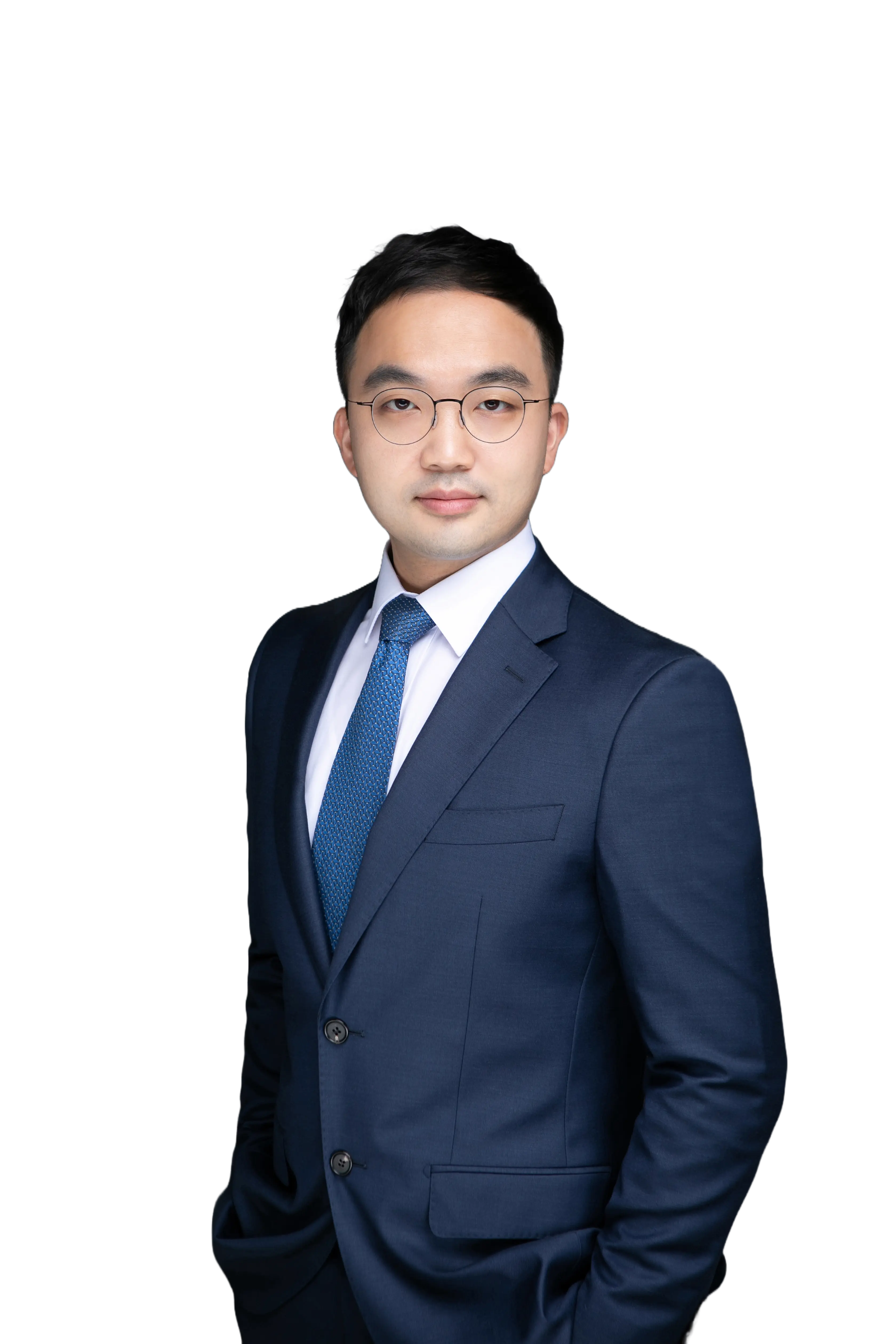
Hello, this is Attorney Lee Young-kyung of Cheongchul Law Firm.
On October 23, 2026, the Korea Fair Trade Commission (KFTC) announced that it had decided to impose a corrective order (an order prohibiting the conduct) and a surcharge of KRW 31 million on Company A, a general holding company, for holding 333,333 shares (a 6.67% stake) in Company B, a domestic company engaged in the financial business, for approximately one year and six months, finding that this violated the holding company conduct restrictions under the Monopoly Regulation and Fair Trade Act (공정거래법).
What stands out in this case is that Company A had already ceased to be a holding company as of December 31, 2024. Even though it is no longer a holding company today, the conduct from the period when it was one was sanctioned, and a corrective order to prevent future recurrence was issued at the same time. Cheongchul Law Firm is made up of attorneys specializing in fair trade law who have both represented the KFTC in having the lawfulness of its dispositions upheld in court and represented numerous companies in responding to KFTC investigations, deliberations, and litigation.
This article is based on the KFTC press release (distributed October 23, 2026), and the names of the businesses have been anonymized.
The Disposition at a Glance
● Respondent: Company A, a general holding company (import and export of chemicals and chemical products; converted to a holding company on December 6, 2013)
● Violation: Holding 333,333 shares (6.67%) of Company B, a domestic company engaged in the financial business (other financial investment business)
● Violation period: July 5, 2023 to December 31, 2024 (approximately one year and six months)
● Applicable provision: Monopoly Regulation and Fair Trade Act Article 18(2)5 (공정거래법 제18조 제2항 제5호) (prohibition on a general holding company owning shares of a domestic company engaged in the financial or insurance business)
● Disposition: Corrective order (order prohibiting the conduct) + surcharge of KRW 31 million
● Notable point: Company A ceased to be a holding company on December 31, 2024, but was sanctioned because it was a holding company at the time of the violation
1. The Holding Company System and Conduct Restrictions
Requirements for a Holding Company
Under the Monopoly Regulation and Fair Trade Act, a holding company is a company with total assets of KRW 500 billion or more whose aggregate value of subsidiary shares accounts for 50% or more of its total assets (the holding ratio). Before July 1, 2017, the asset threshold was KRW 100 billion. A company established or converted before that date with total assets of KRW 100 billion or more but less than KRW 500 billion (a grandfathered holding company) may retain holding company status until June 30, 2027, and if it files a notice of exclusion, it ceases to be a holding company from the date of filing.
Why General Holding Companies Are Barred from Owning Shares in Financial or Insurance Companies
The Monopoly Regulation and Fair Trade Act prohibits a general holding company from owning shares of a domestic company engaged in the financial or insurance business. The press release explains that the provision is intended to curb the concentration of economic power that arises when industrial capital owns financial capital, and to promote fair market competition. The reference material attached to the same press release lists the holding company conduct restrictions, including maintaining a debt ratio of 200% or less, a ban on holding more than 5% of the shares of non-affiliated companies, minimum shareholding requirements for subsidiaries, and a ban on controlling financial or insurance companies.
2. Background of the Case
Company A's Holding Company Status and the Violation
Company A is engaged in the import and export of chemicals and chemical products, and it converted to a general holding company on December 6, 2013. As of December 31, 2024, its total assets were in the KRW 400 billion range, short of the raised asset threshold (KRW 500 billion), but it had retained holding company status under the grandfathering rule for existing holding companies. From July 5, 2023, Company A held 333,333 shares (a 6.67% stake) of Company B, a company engaged in the financial business (classified as other financial investment business under the Korean Standard Industrial Classification), and this continued for approximately one year and six months until December 31, 2024, when Company A ceased to be a holding company.
Why Company A Ceased to Be a Holding Company
Company A was scheduled to lose its holding company status by June 30, 2027 if it did not meet the raised asset threshold. However, as of the end of 2024 it failed to satisfy one of the holding company requirements, a holding ratio of 50% or more, and so it ceased to be a holding company as of December 31, 2024.
Why It Was Still Sanctioned: A Corrective Order to Prevent Recurrence
Even though Company A is not currently a holding company, the KFTC imposed a corrective order so that the same violation would not recur if it becomes a holding company again in the future, together with a surcharge of KRW 31 million. The press release explains that the significance of this action lies in detecting and sanctioning a violation that undermined the purpose of the holding company system (forming a simple, transparent, and sound ownership and governance structure), and in taking firm action against a violation committed while the company was a holding company, even though it has since left that status.
3. Applicable Law: Monopoly Regulation and Fair Trade Act Article 18(2)5
[Statutory text] Monopoly Regulation and Fair Trade Act Article 18 (Restrictions on Conduct of Holding Companies, etc.) (2) A holding company shall not engage in any of the following acts: 5. In the case of a holding company other than a financial holding company (hereinafter a "general holding company"), owning shares of a domestic company engaged in the financial or insurance business. However, where a general holding company already owns shares of a domestic company engaged in the financial or insurance business at the time it is converted to or established as a general holding company, it may continue to own the shares of that domestic company for two years from the date of conversion or establishment.
Company B's stake in this case was 6.67%, which is not high. The provision sets no minimum shareholding threshold and prohibits the act of "owning shares" itself. In addition, shares of financial or insurance companies already held at the time of conversion or establishment benefit only from a two-year grace period from the date of conversion.
4. Implications of This Case
(1) Even a Minority Stake in a Financial Company Is Prohibited
A 6.67% stake may appear unrelated to management control, but it was still sanctioned. Even if the purpose is investment or the acquisition is of a minority stake, a general holding company may not own shares of a target company that is a domestic company engaged in the financial or insurance business.
(2) Check the Industry of the Investment Target
Company B fell under "other financial investment business" in the Korean Standard Industrial Classification. When acquiring shares, a procedure is needed to check whether the target company's business falls under the financial or insurance business, down to the level of the standard industrial classification.
(3) Watch the Timing of Changes in Holding Company Status
Company A was scheduled to be excluded on June 30, 2027 for failing to meet the asset threshold, but it was excluded earlier because it failed to meet the 50% holding ratio before then. Because holding company status can change not only with total assets but also with movements in the holding ratio, a company cannot treat the conduct restrictions loosely simply because its exclusion is expected.
(4) Past Violations Remain Even After Leaving Holding Company Status
The KFTC sanctioned the conduct from the time of the violation even after the company ceased to be a holding company, and went further by imposing a corrective order in case the company becomes a holding company again. A company should not assume that losing holding company status or filing a notice of exclusion erases its responsibility for past conduct.
5. Self-Assessment Checklist for Holding Companies and Companies Planning to Convert
Item | What to Check |
|---|---|
① Ongoing monitoring of holding company requirements | Whether total assets (KRW 500 billion threshold, with the grandfathering exception for existing holding companies) and the holding ratio (50% or more) are reviewed quarterly |
② Shareholdings in financial or insurance companies | Whether any subsidiary or non-affiliated company in which shares are held is engaged in the financial or insurance business, verified against the standard industrial classification |
③ Review before acquiring new shares | Whether, before any investment or capital contribution, legal review covers the target company's industry and potential conflict with the conduct restrictions |
④ Two-year grace period upon conversion or establishment | Whether, if financial or insurance company shares were held at the time of conversion, a disposal schedule within two years is being managed |
⑤ Preparing for the end of the grandfathering exception | Whether the company has reviewed whether it will retain holding company status after June 30, 2027 and whether a notice of exclusion is needed |
⑥ Management after a change in status | Whether, even after ceasing to be a holding company, the company reviews past violations and manages the possibility of re-conversion |
6. Frequently Asked Questions (FAQ)
Q1. Can a general holding company own shares in a financial company if the stake is small?
The stake in this case was 6.67%, and it was sanctioned. Article 18(2)5 prohibits the act of owning shares of a domestic company engaged in the financial or insurance business, without any shareholding threshold.
Q2. Can a company be sanctioned even after it has already ceased to be a holding company?
Company A ceased to be a holding company as of December 31, 2024, but the violation committed while it was a holding company was sanctioned, and a corrective order to prevent recurrence was also imposed.
Q3. Why did the company cease to be a holding company?
Company A was scheduled to be excluded on June 30, 2027 for failing to meet the asset threshold, but it failed to meet the 50% holding ratio as of the end of 2024 and was excluded earlier, as of December 31, 2024.
Q4. What is the grandfathering exception for existing holding companies?
A company established or converted before July 1, 2017 with total assets of KRW 100 billion or more but less than KRW 500 billion may retain holding company status until June 30, 2027, and if it files a notice of exclusion, it ceases to be a holding company from the date of filing.
Q5. How should we prepare if we become subject to an investigation?
First, organize the industry and holding period of each shareholding and confirm when your holding company status changed. Because the specific response strategy depends on the facts, if you have received notice of an investigation, we recommend consulting an attorney at an early stage.
7. Cheongchul Law Firm's Holding Company and Business Group Advisory
Cheongchul Law Firm is made up of attorneys specializing in fair trade law who have both represented the KFTC in having the lawfulness of its dispositions upheld in court and represented numerous companies in responding to KFTC investigations, deliberations, and litigation. We provide the following services.
● Reviewing holding company requirements and building a compliance system for the conduct restrictions
● Fair trade law review before share acquisitions and capital contributions
● Responding to KFTC investigations and written requests
● Preparing written opinions on corrective orders and surcharges and representing clients at deliberations
Holding company requirements and conduct restrictions can change whenever a company's shareholding structure or asset size changes. Corporate officers who need a review before acquiring shares or assistance in responding to an investigation notice are welcome to contact Cheongchul Law Firm.
Related work cases that are good to see together


서울 강남구 테헤란로 403 리치타워 7층
Tel. 02-6959-9936
Fax. 02-6959-9967
cheongchul@cheongchul.com
개인정보처리방침
면책공고
© 2025. Cheongchul. All rights reserved